
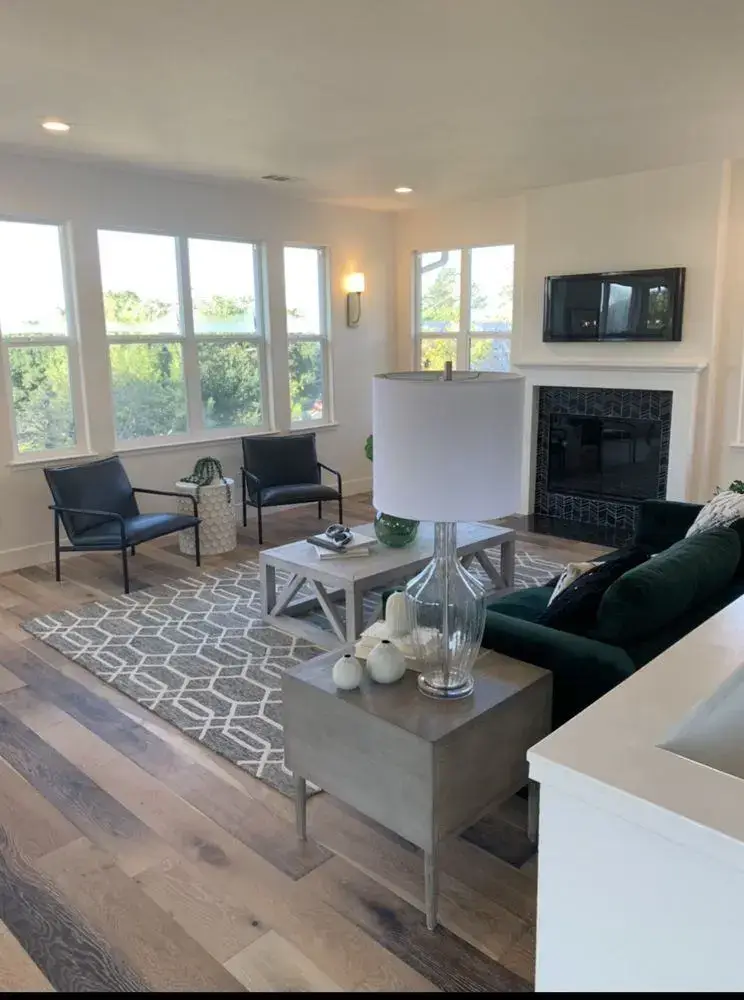
Why vetting a contractor matters more than price
A home remodel is one of the largest purchases most homeowners ever make. A low bid that falls apart midway through costs far more — in time, stress, and money — than a fair bid from someone who finishes what they start. The vetting process is not about being suspicious; it is about gathering facts so you can make a confident decision.
The six questions below cover the information that separates reliable contractors from risky ones. Work through them before you agree to anything.
Question 1: Are you licensed in California for this type of work?
California requires contractors to hold a license through the Contractors State License Board (CSLB). A general contractor holding a B license can handle most residential remodeling and construction. Some projects require additional specialty licenses — demolition work, for example, requires a C-21 license.
Ask for the license number, then verify it yourself at the CSLB website. Look at the license classification, the name it is issued to, and whether it is currently active. This takes about two minutes and tells you a great deal. Never hire an unlicensed contractor for work that requires a license in California — if something goes wrong, you have very little legal protection.
Question 2: What licenses cover this specific project?
Some remodels touch multiple trades. A kitchen remodel might involve structural wall removal, electrical, plumbing, and finish work. A general contractor with a B license can coordinate and perform most of that work, but confirm that any specialty subcontractors they bring in are also licensed for their trade. Ask who will be on your job and what licenses they hold.
Question 3: Can you show me recent, relevant work?
Photos of past projects tell you whether the contractor has done work similar to yours. Ask to see before-and-after photos, project videos, or a portfolio. If the contractor can point you to real finished projects, that is a good sign.
References from past clients matter too. Ask for contact information for two or three recent customers and actually call them. Ask whether the project finished on schedule, whether the final cost matched the estimate, and whether they would hire the same contractor again.
Question 4: What does your estimate include — and what is not included?
A trustworthy estimate is detailed and written. It should break down the scope of work, the materials being used, and what is specifically excluded. Vague estimates that quote a lump sum without detail make it easy for costs to grow later through change orders.
Compare estimates line by line, not just by total price. Two bids that look similar on the surface may include very different materials or amounts of labor. If one estimate is significantly lower than others, ask what is different about it — sometimes that reveals a shortcut you would not want taken.
What a solid estimate should include
- A clear description of every phase of work
- Materials specified by type or grade, not just category
- A payment schedule tied to project milestones, not arbitrary dates
- A list of items that are explicitly excluded
- A projected timeline with start and completion dates
Question 5: How do you handle changes during the project?
Almost every remodel surfaces at least one surprise — a wall that hides old wiring, a subfloor that needs replacement, a material that is backordered. Ask the contractor how they handle these situations. Do they stop work and get written approval before proceeding? Or do they move ahead and add costs to the final invoice?
A professional contractor uses written change orders for any scope adjustment. This protects both of you. It keeps costs from spiraling quietly and ensures you approve every significant decision before it is made.
Question 6: Who will be on my job site, and how do you communicate?
Some contractors are on the job every day. Others manage multiple projects and delegate daily work to others. Neither is automatically wrong, but you should know what to expect. Ask who your point of contact is, how they prefer to communicate, and how often you will get updates.
Contractor vetting checklist
| What to check | How to verify |
|---|---|
| CSLB license is active and matches the work type | Search the license number at cslb.ca.gov |
| Estimate is written and itemized | Read it line by line; ask about anything vague |
| References from recent, similar projects | Call at least two past clients directly |
| Change order process is documented | Ask for a sample or see it in the contract |
| Primary contact and communication plan is clear | Confirm before signing anything |
Red flags to watch for
- A contractor who cannot provide a license number or asks you not to check it
- Pressure to sign quickly or to pay a large deposit before any work begins
- An estimate delivered verbally with no written follow-up
- Reluctance to provide references
- A bid that is dramatically lower than every other estimate without a clear explanation
When it is time to call a professional
If your project involves structural changes, permits, new construction, demolition, or significant systems work, working with a licensed general contractor is not just a good idea — California law requires it for most of this work. A qualified contractor handles the permits, coordinates the trades, and stands behind the finished result.
Anaba Construction holds California A (General Engineering), B (General Building), and C-21 (Demolition) licenses and serves homeowners and businesses in Manteca, CA and the surrounding area. If you are ready to move forward or still figuring out your project, call or text (510) 826-9443 to get a free estimate and free draft drawings with no obligation.
Frequently asked questions
How do I verify a contractor's license in California?
Go to the CSLB website at cslb.ca.gov and search by license number or business name. You can see the license classification, whether it is active, and who it is issued to. This takes about two minutes and is worth doing before any conversation goes further.
What is the difference between a B license and a C-21 license in California?
A B license is a General Building Contractor license that covers most residential remodeling and construction. A C-21 is a specialty Demolition Contractor license required for demolition work. Some contractors hold both, which means they can handle the full scope of a project that includes tear-out and new construction.
What should a home remodel estimate include?
A solid written estimate should break down each phase of work, specify materials by type, include a payment schedule tied to milestones, list what is excluded, and give projected start and completion dates. Lump-sum estimates with no detail make it hard to compare bids and easy for costs to grow unexpectedly.
Do I need a permit for a home remodel in California?
Most structural changes, additions, and significant systems work require permits in California. Your contractor should know which permits apply to your project and handle pulling them as part of the job. Work done without required permits can create problems when you sell your home.